



May 8th 2026 marks the 81th anniversary of the unconditional surrender of the German Wehrmacht and the end of World War II in Europe.
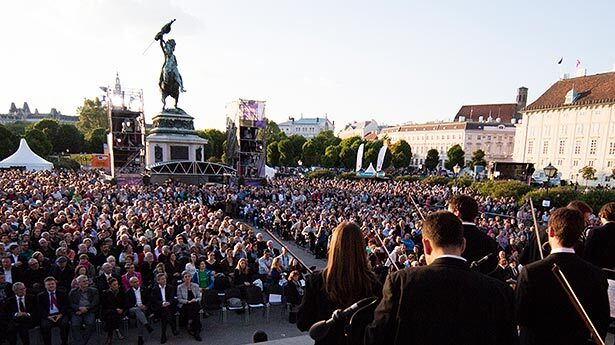
The Mauthausen Committee Austria (MKÖ) is organising the Festival of Joy in commemoration of the victims of the Nazi-regime and to mark the joy of liberation from the fascist reign of terror.
The Festival of Joy will take place on 8 May 2026 at 7.30 pm at the Heldenplatz in Vienna. Each year, the Festival of Joy focuses on a specific theme. In 2026, the central theme will be “ nationalsocialist perpetrators”.
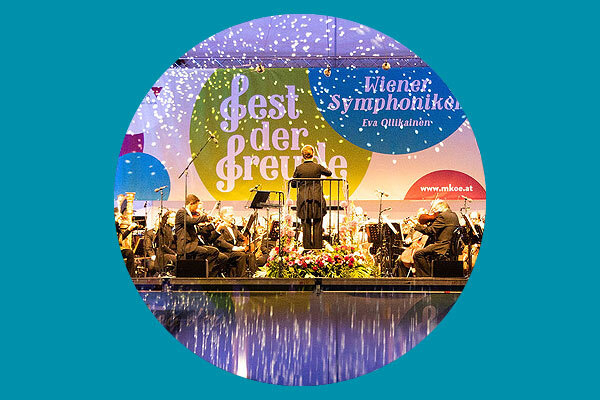
We look forward to musical performances by the Vienna Symphony Orchestra, conducted by Ingo Metzmacher, featuring the singer Magda and the soprano Eleanor Lyons. Once again this year, the Festival of Joy will draw to a ceremonial close with Ludwig van Beethoven’s “Ode to Joy”.
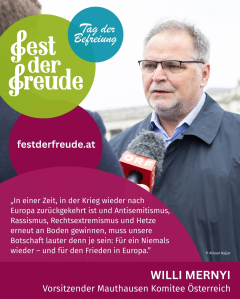
Lucy Waldstein (USA), witness of the Shoa, Alexander Van der Bellen, Austria’s Federal President, and Willi Mernyi, MKÖ chairman, will hold their inspiring speeches at this year’s festival. Actress Katharina Stemberger will host the evening.
To make the Festival of Joy accessible to a wide audience, it will be streamed live in multiple languages on the MKÖ YouTube channel starting at 7:30 p.m. and broadcast on ORF III starting at 7:40 p.m.